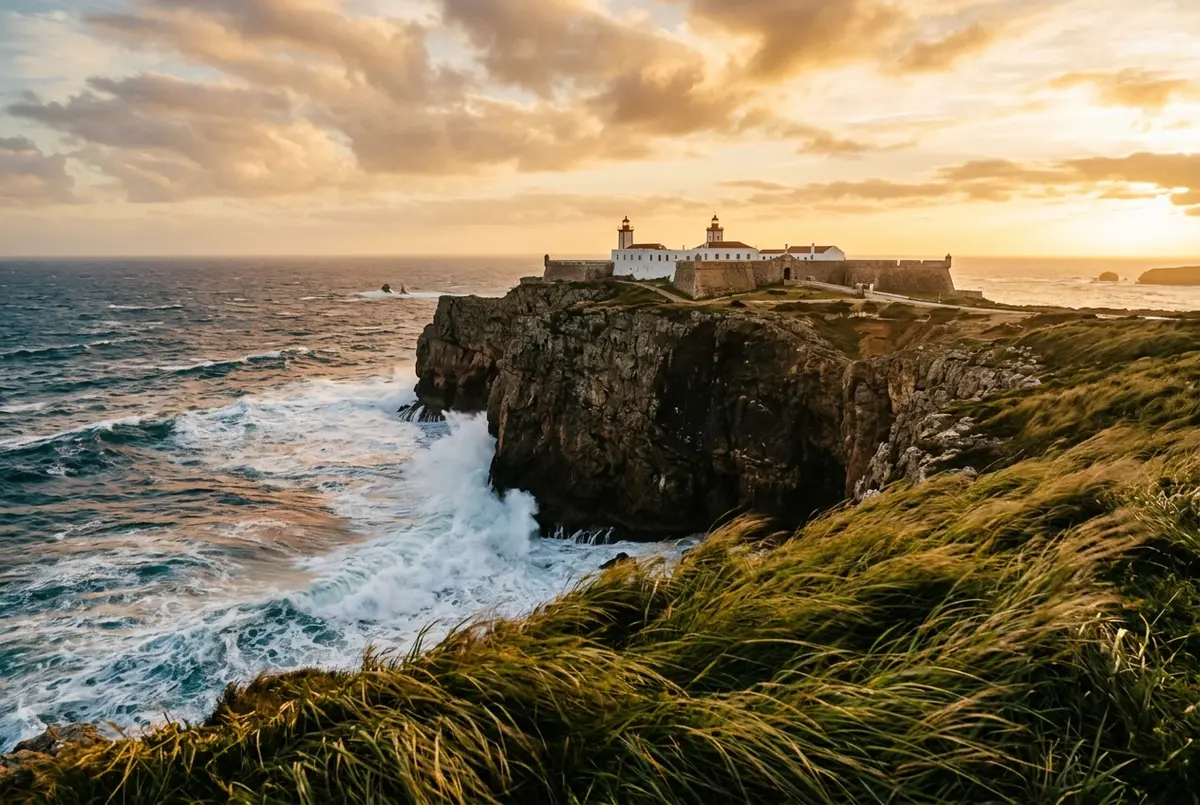
Sagres weather stands apart from the rest of the Algarve in one clear way: it’s windier, and noticeably so, thanks to its position right on the region’s exposed south western tip, where the Atlantic meets the more sheltered southern coast. I’d plan around that wind more than the temperature itself when timing a Sagres visit, since it shapes the experience here more than a few degrees ever would.
Is Sagres in the Algarve?
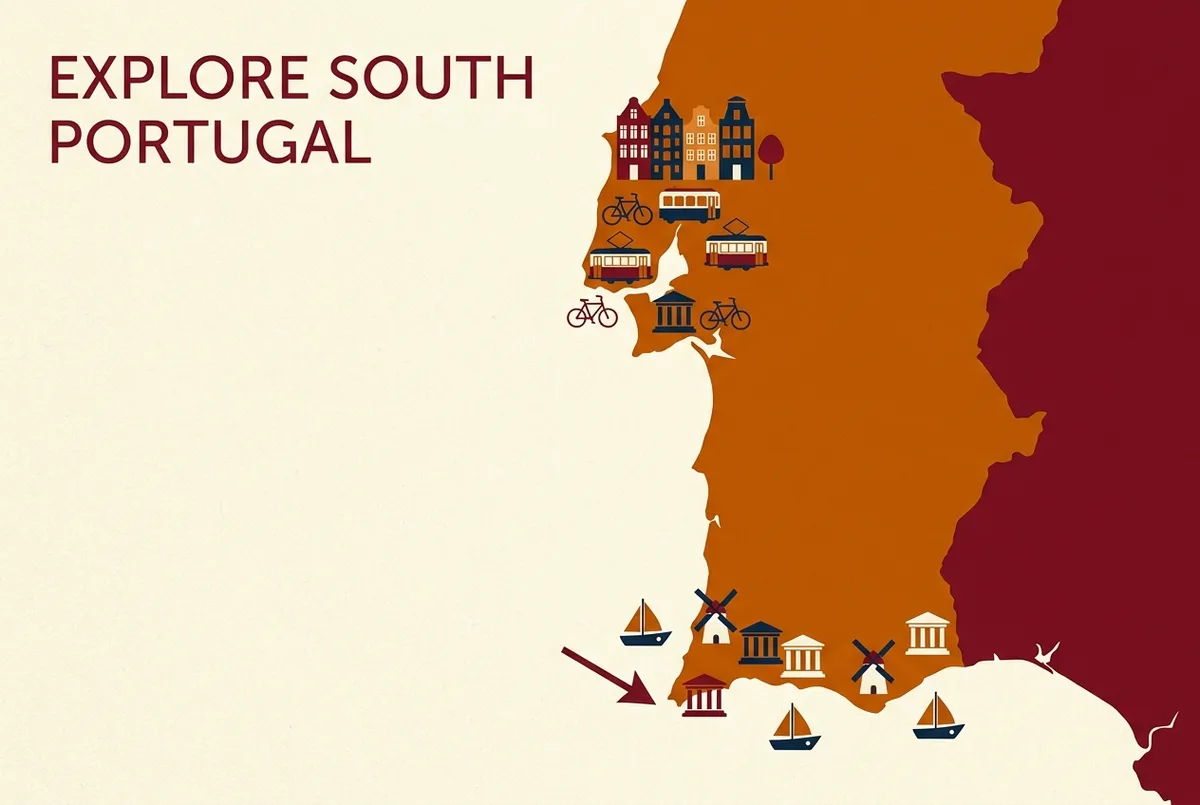
Yes, Sagres is firmly part of the Algarve, sitting at the region’s south western corner near Cabo de Sao Vicente, mainland Europe’s most south western point. I’d still describe it as feeling like a different Algarve than the resort towns further east, though, since its wild, exposed coastline and small-town surf culture set it apart from the sheltered beaches and busier resorts most visitors picture when they think of this region.
That contrast is genuinely part of the appeal. If you’ve already spent time on the calmer, south-facing coast near Benagil, Sagres offers a real change of pace and scenery without leaving the Algarve at all.
What Is Sagres Weather Like Month by Month?
Sagres runs mild winters, roughly 12 to 16 degrees Celsius from December through February, with more rain and wind than the summer months, though still far milder than most of northern Europe. Spring, March through May, warms steadily while staying breezy, and I’d call this genuinely one of the better windows to visit if you want good weather without peak crowds.
Summer, June through September, brings the warmest temperatures, often 24 to 28 degrees Celsius, but the Atlantic wind that defines this stretch of coast rarely fully disappears, even in August. Autumn mirrors spring, cooling gradually through October and November while staying pleasant enough for outdoor exploring most days.
Why Is Sagres So Windy Compared to the Rest of the Algarve?
Sagres sits directly on the headland where the Atlantic Ocean meets the more sheltered southern coast, and that geography exposes it to consistent onshore winds that simply don’t reach towns further along the calmer south-facing coastline. I’d call this the single defining feature of Sagres weather, more than temperature, rainfall, or anything else.
Historically, this same wind and the dramatic cliffs around it are part of why Henry the Navigator is said to have established a school of navigation near here in the 15th century, using the position to study Atlantic winds and currents. I think that history adds a layer of context to the wind that makes it feel less like an inconvenience and more like part of what makes this specific spot on the map genuinely significant.
What’s the Best Time to Visit Sagres for Good Weather?
I’d point most visitors toward May, June, or September for the best overall balance: warm enough for the beach, still breezy but manageable, and without the heaviest peak-July-and-August crowds. July and August bring the warmest sea temperatures if that’s your priority, but also the busiest roads and fullest accommodation in this small town.
Winter genuinely isn’t a write-off either, if storm-watching and dramatic, moody cliff scenery appeal to you more than sunbathing. I wouldn’t recommend it for beach time, but Sagres in December or January has a stark, powerful atmosphere that some travelers specifically seek out.
Is Sagres Good for Surfing Because of the Wind?
Yes, and this is arguably the town’s biggest single draw beyond the scenery itself. Sagres and the nearby beaches sit among Portugal’s most respected surf spots, and the consistent Atlantic swell and wind that make casual sunbathing a bit more challenging are exactly what draws surfers here from across Europe.
I’d specifically recommend Sagres to travelers with any interest in surfing, even beginners, since the town has a genuinely well-established surf school scene built around exactly these conditions. If sunbathing without wind is your priority instead, I’d point you toward Benagil’s more sheltered south-facing beaches over Sagres.
Is Sagres Worth Visiting?
Yes, I’d say confidently. Sagres offers dramatic clifftop scenery, a genuinely different atmosphere from the Algarve’s busier resort towns, real surf culture, and Cabo de Sao Vicente, mainland Europe’s most south western point, all within a compact area. Is Sagres worth visiting really comes down to whether wild, wind-swept coastal scenery appeals to you more than calm resort beaches, and for a lot of travelers, it genuinely does.
I’d specifically recommend it as a half-day or full-day addition to a wider Algarve trip rather than your only base, since its charm is scenery and atmosphere over resort infrastructure, restaurants, and nightlife, which are all more limited here than in bigger towns.
What’s There to Actually Do in Sagres Beyond the Weather?
The Fortaleza de Sagres, a coastal fortress on the headland with sweeping Atlantic views, and the nearby Cabo de Sao Vicente lighthouse are the two anchor sights I’d build a Sagres visit around. Both reward a slow visit specifically at sunset, when the wind, cliffs, and light combine into what I’d call one of the more genuinely dramatic viewpoints on the entire Algarve coast.
Beyond the two headline sights, several excellent surf beaches and a small, low-key town center round out a day here. I wouldn’t expect the polish of Albufeira or Vilamoura, and that’s rather the point, Sagres trades resort infrastructure for genuine, rugged character.
How Far Is Sagres from Lisbon?
Sagres sits roughly three hours from Lisbon by car, at the far south western tip of the country, which puts it beyond comfortable day-trip range from the capital for most travelers. I’d treat it as part of a dedicated Algarve trip rather than a Lisbon day trip, given how much of that three hours is actual driving time rather than a quick hop.
If your itinerary already includes both Lisbon and the Algarve, I’d plan Sagres as one stop within the Algarve leg of the trip, ideally paired with Lagos given their proximity, rather than trying to reach it directly from the capital in a single day.
How Does Sagres Weather Compare to Benagil and the South Coast?
Benagil and the rest of the Algarve’s south-facing coast sit noticeably more sheltered than Sagres, with calmer seas, less consistent wind, and generally a degree or two warmer on comparable days. I’d choose the south coast, Benagil included, for a classic calm-beach holiday, and Sagres specifically for dramatic scenery, surf, and a wilder Atlantic atmosphere.
This difference in exposure is really the core reason so many Algarve itineraries pair a south-coast base near Benagil with a day trip out to Sagres, rather than trying to base an entire trip in the windier west. You get the calm beach days from one and the dramatic coastal scenery from the other, without sacrificing either.
What Should You Pack for Sagres Weather?
A windbreaker or light jacket, even in the height of summer, is the single item I’d say most visitors underpack for Sagres specifically. The wind here rarely fully drops, and a warm, sunny day inland or on the south coast can still feel noticeably cooler on an exposed Sagres clifftop.
Beyond that, I’d pack the same sun protection you’d bring anywhere in the Algarve, reef-safe sunscreen, a hat that won’t blow away easily given the wind, and comfortable shoes for walking the fortress grounds and coastal paths, which involve more uneven, exposed ground than a typical resort beach walk.
How Do You Get To and From Sagres?
Most visitors reach Sagres either by rental car or by regional public bus connecting it to nearby Lagos, the closest larger town. I’d factor drive or travel time into your day trip plan generously, given the distance from most Benagil-area bases, and check current bus timetables directly if you’re relying on public transport rather than self-driving. Our Sagres to Lagos bus guide covers that specific route, timetable, and price in full.
Does It Rain a Lot in Sagres?
Rainfall concentrates heavily in the winter months, roughly November through February, with the rest of the year staying largely dry, in line with the wider Algarve’s Mediterranean-influenced climate. I’d still pack a light rain layer even for a summer trip, since a passing shower, though uncommon, isn’t impossible along this exposed stretch of coast.
Winter rain here tends to arrive in bursts rather than settling in for days at a time, which I’d count as good news if a winter visit is your only option. A rainy morning often clears into a dramatic, storm-cleared afternoon that’s genuinely worth waiting out rather than writing off the whole day.
Is the Sea Warm Enough to Swim in Near Sagres?
The Atlantic water around Sagres runs noticeably cooler than the more sheltered, south-facing beaches near Benagil, even at the height of summer, since this stretch of coast lacks the same natural shelter from open ocean currents. I’d expect refreshing rather than warm water here, even in August, which surfers generally welcome and casual swimmers sometimes find surprising.
If warm, calm swimming water is your priority, I’d point you toward Benagil’s south-facing beaches instead and treat Sagres as a scenery and activity stop rather than your main swimming destination on this trip. A wetsuit, even a thin one, makes a real difference if you do want to swim here for any length of time.
How Does Sagres Weather Change Throughout a Single Day?
Mornings in Sagres often start calmer than the wind picks up to by afternoon, a pattern that surfers and photographers both plan around here. I’d schedule calmer activities, a fortress visit, a coastal walk, for earlier in the day, and save sunset at Cabo de Sao Vicente for the evening, when the dropping sun and building wind together create the area’s most dramatic light.
This daily wind pattern is worth knowing if you’re deciding when to visit the clifftop viewpoints specifically. A calm morning photo looks genuinely different from the same spot in a windswept late afternoon, and I’d argue both are worth seeing if your schedule allows more than a single visit.
Should You Visit Sagres as a Day Trip or Stay Overnight?
For most travelers building their trip around the Benagil Caves, I’d recommend Sagres as a day trip rather than an overnight base, given the distance from the main cluster of Benagil-area towns and Sagres’s more limited restaurant and accommodation scene compared to bigger bases. A full day gives you enough time for the fortress, Cabo de Sao Vicente, and a proper lunch without feeling rushed.
That said, if surfing is a real focus of your trip rather than a curiosity, I’d consider a short overnight stay specifically to catch the calmer early morning conditions surfers generally prefer, which a day trip from further away simply doesn’t allow for.
Does Sagres Get Foggy or Overcast Often?
Sagres sees more low cloud and mist than the sunnier south-facing Algarve coast, particularly in the shoulder months of spring and autumn, when the cooler Atlantic water meets warmer land air. I’d build a little flexibility into a Sagres day trip for this reason, since a hazy morning here doesn’t necessarily mean the rest of the Algarve is experiencing the same conditions.
This tends to clear by midday more often than not, so I wouldn’t cancel plans over an overcast start. I’d simply shift a sunset viewpoint visit or a beach stop slightly later in the day if the morning looks greyer than you’d hoped for.
How Does Wind Affect a Fortress or Clifftop Visit in Sagres?
The wind is strong enough at the Fortaleza de Sagres and Cabo de Sao Vicente that I’d genuinely recommend securing loose items, hats, scarves, anything that could blow off a clifftop, before walking the exposed sections. It’s rarely dangerous for a careful visitor staying back from the edge, but it is a real physical presence you’ll notice within minutes of stepping out of the car.
I’d treat the wind as part of the experience rather than a drawback, honestly. Standing at the edge of mainland Europe with a genuinely strong Atlantic wind in your face is a large part of what makes this specific spot memorable, distinct from a calmer, more sheltered viewpoint elsewhere on the coast.
Is Sagres Weather Very Different from Lagos Weather?
Lagos, sitting a bit further east and slightly more sheltered than Sagres’s exposed tip, generally runs a touch warmer and calmer, though the difference is smaller than the gap between Sagres and the fully sheltered south coast near Benagil. I’d still expect noticeably more wind in Sagres than Lagos on most days, even with the two towns only 35 to 45 minutes apart by car.
This gradient is worth knowing if you’re splitting time between the two, since a calm, sunny afternoon in Lagos doesn’t guarantee the same conditions once you continue on to Sagres. I’d pack for the windier end of that range regardless of where you start your day.
My Recommendation
I’d visit Sagres for its scenery and atmosphere rather than a calm beach day, ideally in May, June, or September for the best balance of good weather and manageable crowds, and I’d pack a windbreaker regardless of the month. Pair it with a south-coast base near Benagil for the fuller Algarve picture, calm beaches on one side of your trip, dramatic Atlantic cliffs on the other.
For the wider regional context, our Algarve towns roundup covers how Sagres fits alongside the region’s other bases, and our best time to visit the Benagil Caves guide covers the seasonal picture for the calmer south coast side of your trip.
According to Turismo do Algarve, the official regional tourism board, the Sagres and Cabo de Sao Vicente area is officially recognized as part of the Southwest Alentejo and Vicentine Coast Natural Park, which helps explain why the scenery here feels so distinctly wilder than the rest of the Algarve.
Frequently Asked Questions
Is Sagres in the Algarve?
Yes. Sagres sits at the Algarve’s south western tip, near Cabo de Sao Vicente, mainland Europe’s most south western point.
Is Sagres worth visiting if I’m already staying near Benagil?
Yes, as a day trip. The dramatic, wind-swept scenery offers a genuinely different atmosphere from the calmer south coast beaches near Benagil.
How far is Sagres from Lisbon?
Roughly three hours by car, which puts it outside comfortable day-trip range from the capital for most travelers.
Why is it always windy in Sagres?
Its position on the headland where the Atlantic meets the sheltered southern coast exposes it to consistent onshore wind that calmer towns further east don’t get.
What is the best month to visit Sagres?
May, June, or September, for a good balance of warm weather, manageable wind, and fewer crowds than peak summer.
benagil caves →